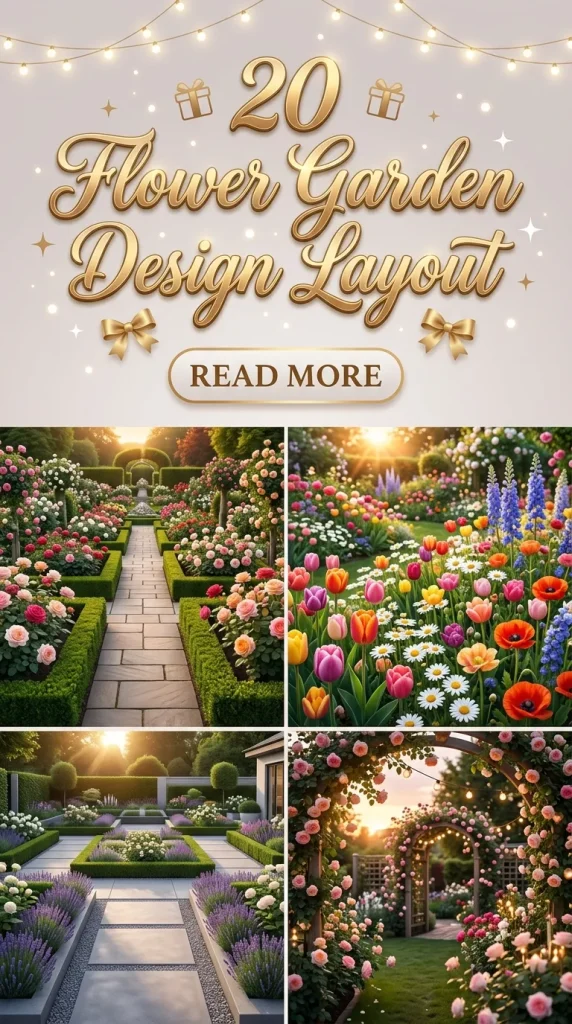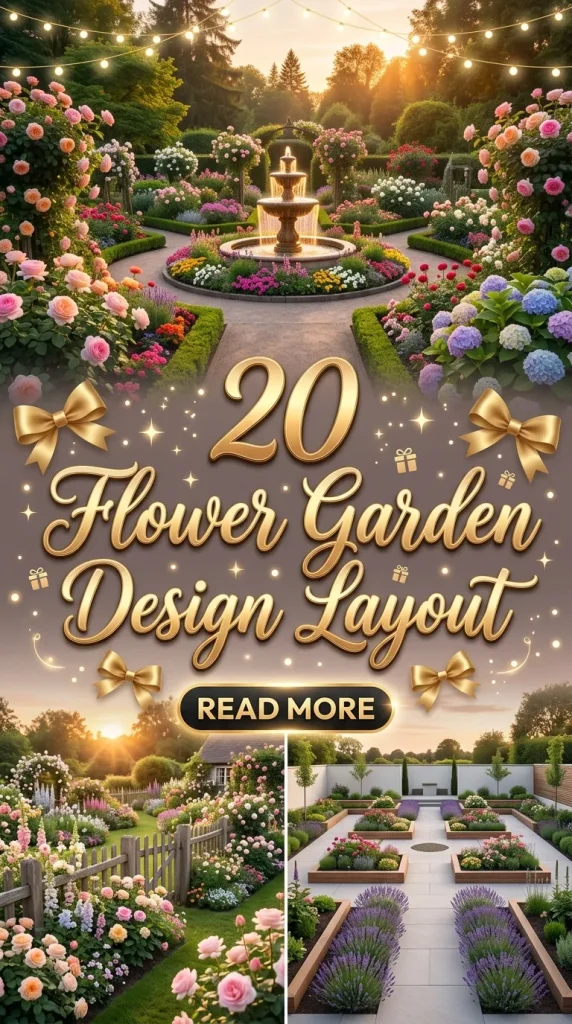
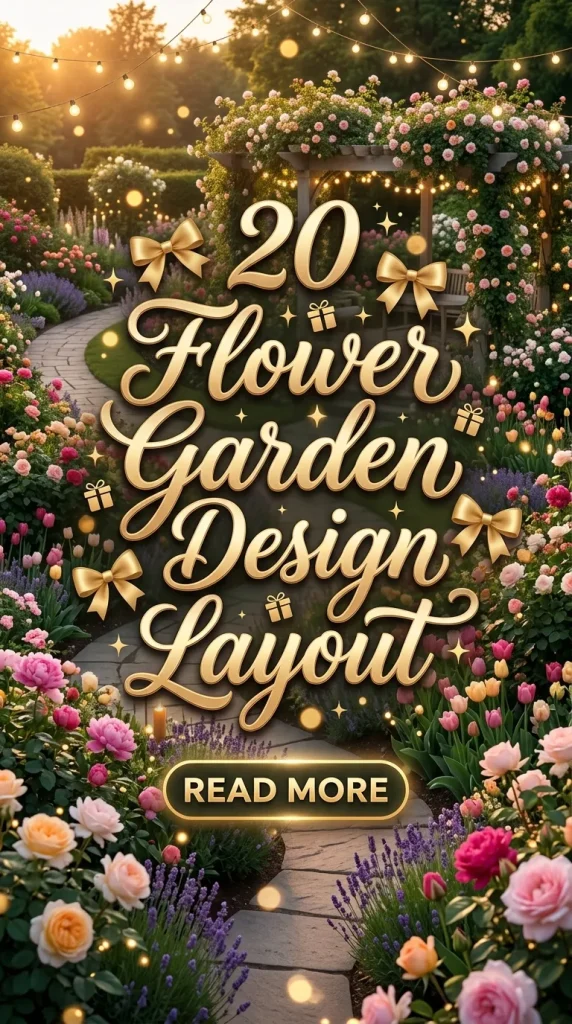
A beautifully planned flower garden is more than just a collection of plants—it is a living canvas where colors, textures, and shapes blend together to create a peaceful outdoor sanctuary. Whether you have a small backyard or a spacious landscape, the right garden layout can completely transform your outdoor space. Flower garden design layouts help you organize plants in a way that looks harmonious, balanced, and visually stunning throughout the seasons.
Pinterest users often love garden designs that feel dreamy, elegant, and visually inspiring. From symmetrical layouts to wild cottage-style gardens, there are many creative ways to arrange flowers that make the space feel magical. The key is combining structure with natural beauty so that the garden feels both organized and alive.
Below are twenty inspiring flower garden design layouts that can turn any outdoor space into a breathtaking floral paradise.
1. Circular Flower Garden Layout
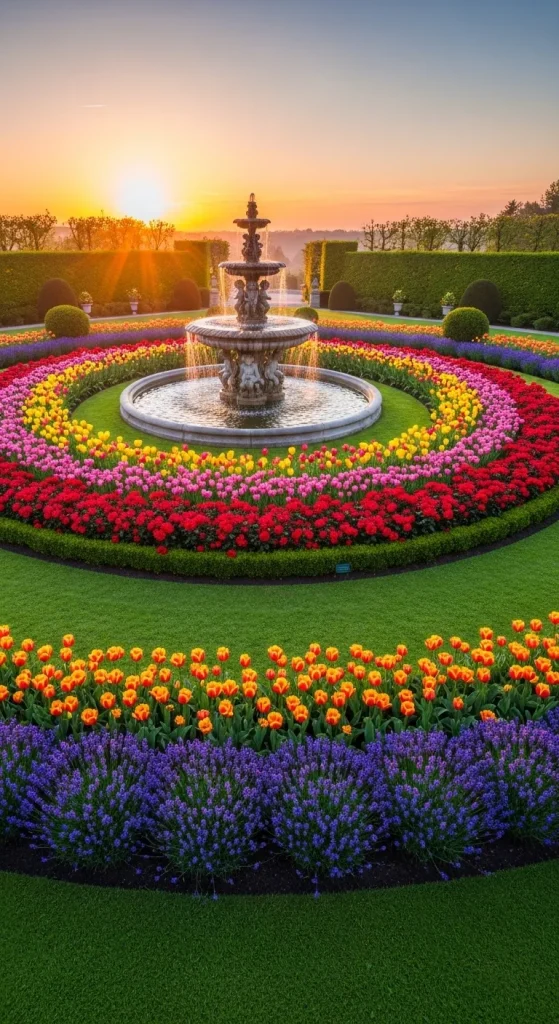
A circular flower garden layout creates a strong visual focal point in the yard. This design is ideal for placing in the center of a lawn or courtyard. Flowers are arranged in circular layers, often with the tallest plants in the center and shorter blooms around the edges.
The symmetry of this layout makes it extremely pleasing to the eye. Gardeners often place a decorative element like a birdbath, fountain, or sculpture in the center to enhance the design. Surrounding the center with vibrant seasonal flowers such as roses, tulips, and petunias creates a mesmerizing color gradient.
The circular layout works beautifully because it naturally guides the viewer’s eyes toward the middle, making the garden feel elegant and intentional.
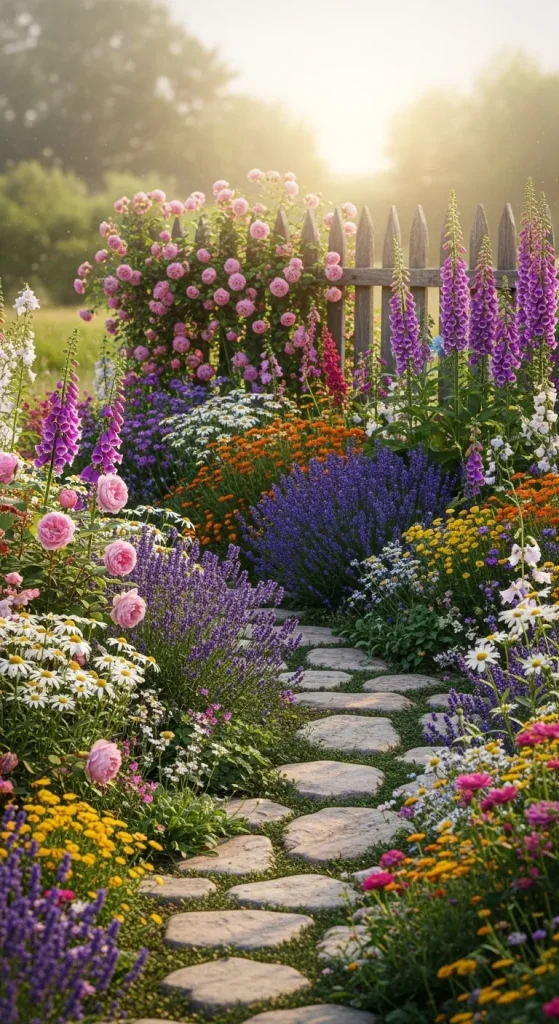
2. Cottage Style Flower Garden Layout
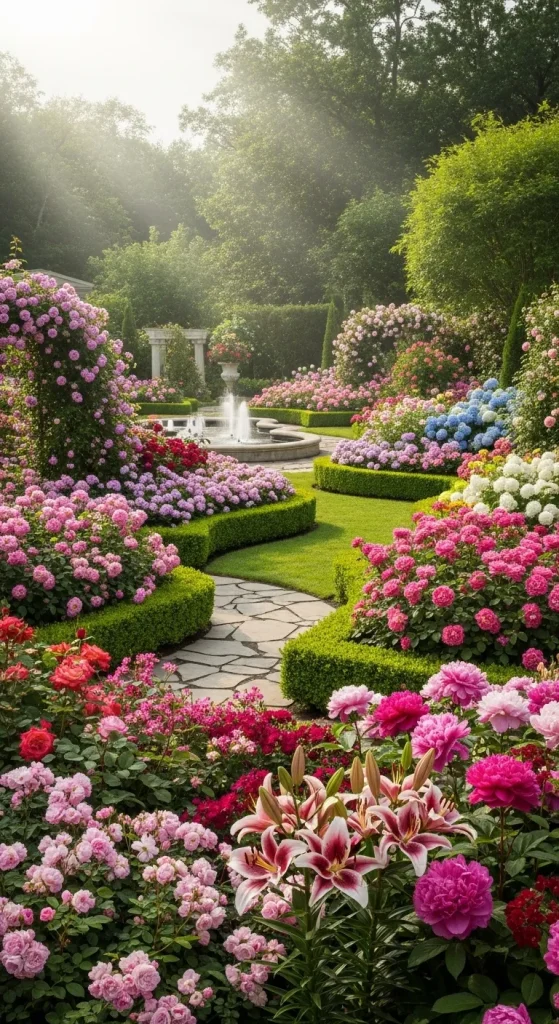
A cottage flower garden layout is romantic, natural, and slightly wild in appearance. Instead of strict symmetry, this design focuses on layering many types of flowers together to create a lush and overflowing effect.
Flowers like lavender, daisies, foxgloves, roses, and delphiniums are often planted closely together. The goal is to create a dreamy floral scene that looks like it belongs in a countryside fairytale.
Paths made of stone or gravel often weave gently through the garden, allowing visitors to walk among the blooms. This layout is perfect for gardeners who want a colorful and relaxed garden that feels vibrant and full of life.
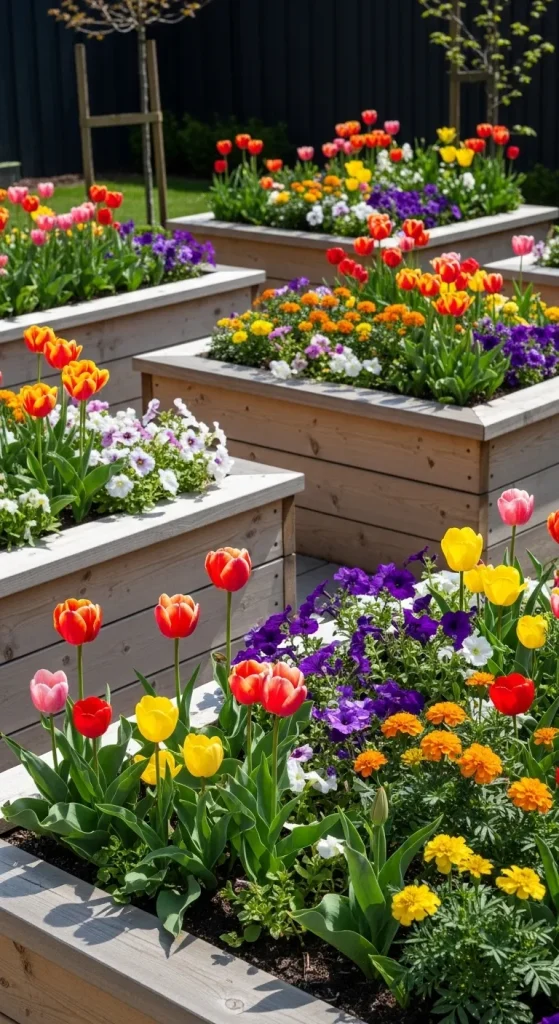
3. Raised Bed Flower Garden Layout
Raised garden beds are a practical and visually clean way to design a flower garden. Wooden, stone, or brick frames create structured planting spaces that keep the garden organized and easy to maintain.
Each raised bed can feature a different type of flower or color theme. For example, one bed may contain pastel flowers while another features bright summer blooms. This creates a visually appealing pattern across the garden.
Raised beds also improve soil quality and drainage, making them perfect for healthy plant growth. The neat geometric structure gives the garden a modern yet charming look.
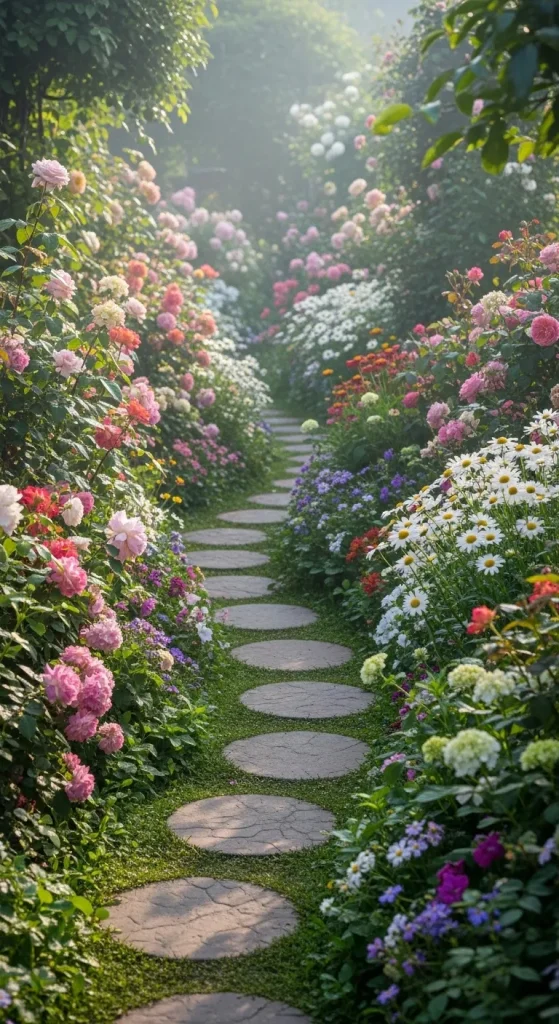
4. Pathway Flower Garden Layout
A pathway garden layout focuses on guiding visitors through the beauty of the flowers. Flowers are planted along both sides of a walkway, forming a colorful corridor.
The path itself can be made of stepping stones, brick, gravel, or wood. As people walk through the path, they are surrounded by layers of flowers and greenery. Tall flowers like hollyhocks and sunflowers can be placed toward the back, while shorter blooms like marigolds and petunias line the edges.
This layout creates a magical walking experience where every step reveals new colors and textures.
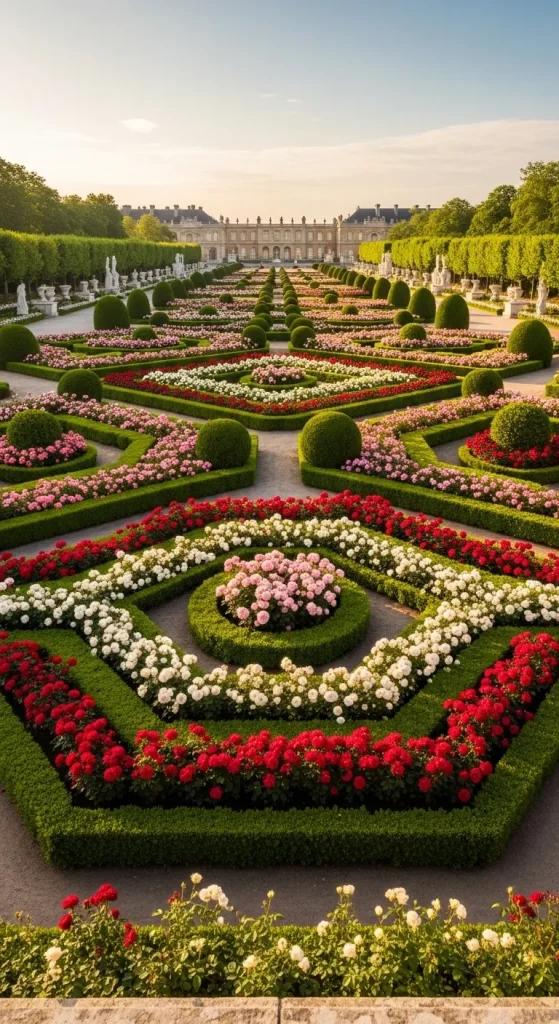
5. Symmetrical Formal Garden Layout
A symmetrical garden layout is inspired by classic European garden designs. Everything in this layout is carefully balanced and mirrored on both sides.
Flowers are planted in neat geometric shapes such as squares, rectangles, or diamonds. Hedges or borders often outline the planting beds to create crisp lines.
This layout works beautifully for elegant homes because it gives the garden a refined and luxurious appearance. Popular flowers used in formal gardens include roses, tulips, and hydrangeas.
6. Layered Border Flower Garden Layout
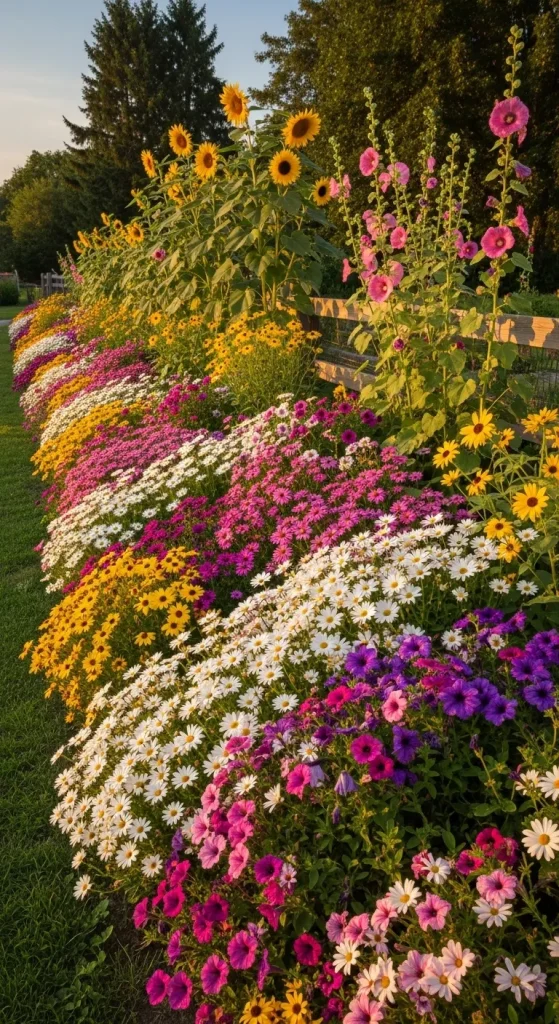
A layered border layout is perfect for planting flowers along fences, walls, or garden edges. The design focuses on arranging plants by height to create depth.
Tall plants are placed in the back, medium-sized plants in the middle, and small flowers at the front. This layering technique ensures that every plant remains visible while creating a cascading floral effect.
This layout is particularly beautiful when colorful flowers bloom at different times of the year, keeping the border vibrant throughout the seasons.
7. Island Flower Garden Layout
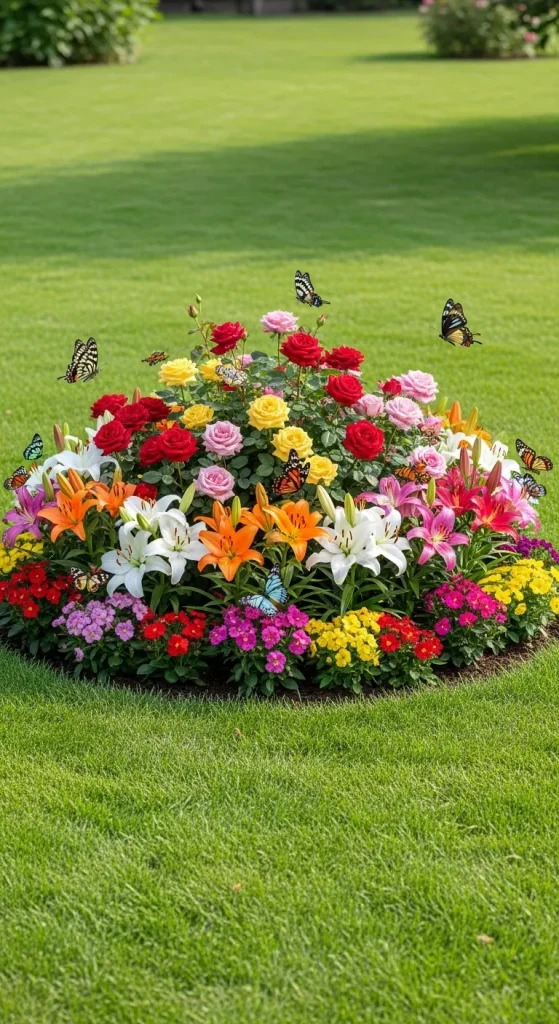
An island garden layout is designed like a flower bed floating within a lawn. The flowers are planted in a rounded or organic shape surrounded by grass on all sides.
Because the garden can be viewed from every angle, flowers must be arranged carefully. Taller plants are usually placed in the center, gradually transitioning to shorter blooms toward the edges.
This layout works perfectly as a focal point in large yards and creates a stunning centerpiece for outdoor spaces.
8. Grid Pattern Flower Garden Layout
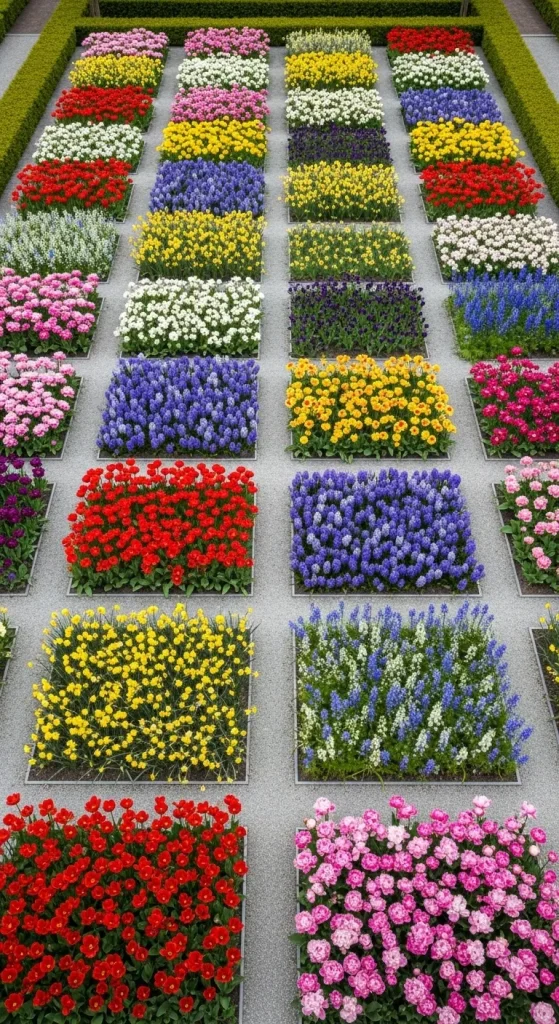
A grid layout is both modern and visually satisfying. The garden is divided into equal square sections using paths or edging materials.
Each square can contain a different flower variety, creating a patchwork of colors and textures. When viewed from above, the garden resembles a beautiful mosaic of blooming flowers.
This layout is popular on Pinterest because of its clean, organized appearance and strong visual impact.
9. Vertical Flower Garden Layout
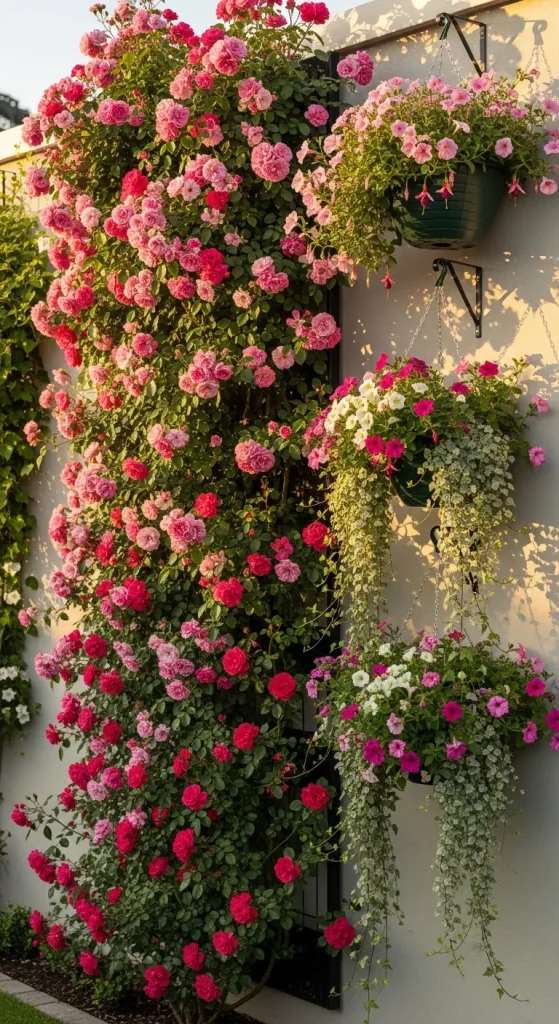
Vertical flower gardens are perfect for small spaces or urban homes. Instead of spreading flowers across the ground, plants grow upward using trellises, wall planters, or stacked containers.
Climbing roses, ivy, and flowering vines create a lush wall of greenery and blooms. Hanging baskets can also add layers of flowers at different heights.
This layout not only saves space but also turns plain walls or fences into breathtaking living art.
10. Mixed Seasonal Flower Garden Layout
A mixed seasonal layout ensures the garden looks beautiful throughout the entire year. Instead of planting flowers that bloom at the same time, gardeners select varieties that bloom in different seasons.
Spring flowers like tulips and daffodils can be combined with summer blooms such as roses and lilies. Autumn flowers like chrysanthemums then continue the color display later in the year.
This thoughtful planning creates a constantly evolving garden where new flowers appear as the seasons change.
A well-designed flower garden layout brings harmony, beauty, and personality to any outdoor space. Whether you prefer structured symmetry or natural cottage-style charm, the right arrangement of flowers can create a garden that feels truly magical. With thoughtful planning, color coordination, and creative layouts, your garden can become a breathtaking retreat filled with life and fragrance.
More ideas to come.